Missouri Mom Helps Pass Purple Alert Law to Protect Individuals with Developmental Disabilities
Written By: Amy Wolcott M.S., CCC-SLP
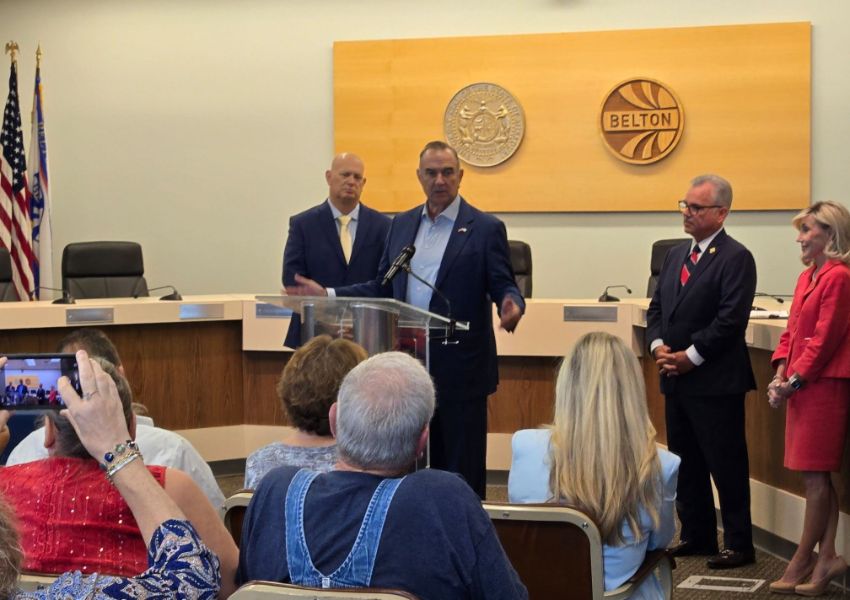
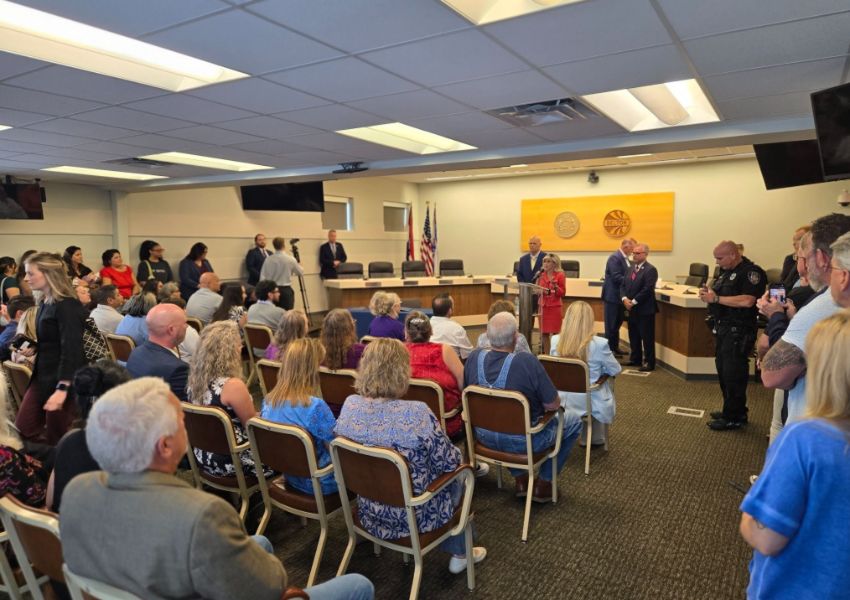
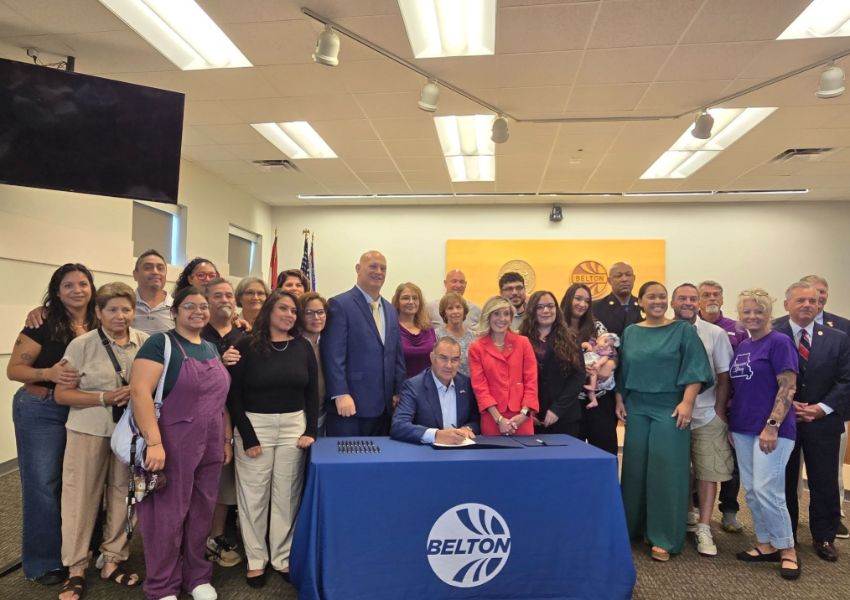
On September 10, Missouri Governor Mike Kehoe participated in a ceremonial signing for Missouri’s new Purple Alert Law, which enacts a system similar to Amber Alerts designed specifically to find and protect missing individuals with developmental disabilities.
The effort to get the law on the books was spearheaded by Danielle Rocha, a Missouri mom to twin boys who are nonverbal and autistic.
“Being the mother to twins both diagnosed with nonverbal autism, I know first-hand the constant vigilance it takes to keep my children safe,” Danielle said. “High-risk elopers, like my boys, can take off in a matter of seconds. This is a daily reality a lot of families like mine live with. It was important to me to advocate for all Missouri families like mine to help bring peace of mind to family members and quick, efficient intervention in the event our loved ones go missing.”
Missouri’s new Purple Alert Law is also known as RJ’s Law, in honor of a Cass County boy with autism who went missing and drowned last year.
“RJ’s story is the foundation of my pursuit to create the Purple Alert, and I am incredibly proud of the strength his family has shown through these efforts,” Danielle explained. “Purple Alert will support families by sending out critical information immediately, helping pull resources together more quickly and efficiently to intervene in elopement cases before they turn into recovery cases. RJ’s family had to rely solely on social media shares to spread awareness of their missing child. Social media can be a great tool to share information quickly, but it should not be the only tool. The Purple Alert will bridge that gap.”
Purple Alert will work with systems currently in place to help law enforcement and community organizations respond more quickly to the disappearance of individuals whose disability puts them at increased risk of harm. It will also provide training for law enforcement officers to help them better protect individuals who may have communication, sensory, and behavioral differences.
“The new training program will be an incredible tool to better protect and serve our neurodivergent population, and I am excited to see this evolve,” Danielle explained. “Training will help law enforcement and first responders better assess any given situation with empathy and patience, giving our loved ones grace and understanding. I’m hopeful the training will shift protocols from compliance to deescalation by providing law enforcement and first responders with the tools to recognize when someone is in sensory distress and help regulate those in need.”
Missouri joins a handful of other states, including Florida, Maryland, Kansas, Mississippi, and Connecticut, with Purple Alert systems in place. Danielle brought her proposal for Missouri’s version of the law to state representative Sherri Gallick, who agreed there was a gap in Missouri’s safety net for individuals with intellectual and developmental disabilities and signed on to be the bill’s sponsor. Danielle, along with a network of families and advocates, testified at the state capitol on three occasions prior to the bill’s passing.
Another feature added to the bill, known as Mason’s law, will enable people with disabilities to register diagnoses with the DMV in order to provide law enforcement with critical information such as communication barriers or behavior differences so they don’t see dysregulation and noncompliance.
Danielle hopes that Missouri’s passage of Purple Alert is only the beginning of increased awareness and protections for families like hers.
“It is my hope that the Purple Alert will help bring awareness and strength across all communities in Missouri, and I hope more states across the country decide to put their own alerts and training programs in place,” she said. “There are current national alert enhancement discussions being had, and I am optimistic of this success!”
At The Pediatric Place, we would like to extend a special “thank you” to Danielle Rocha, Rep. Sherri Gallick, and all who worked with them to extend these vital protections to the people in our community who need them the most.