
A Compassionate Approach to Managing ADHD
Everyone has trouble paying attention sometimes, but for children with ADHD, it can feel like an insurmountable challenge. Fortunately, pediatric therapy at The Pediatric Place can help your child learn the skills they need to manage their condition and thrive!
ADHD (attention-deficit/hyperactivity disorder) is a neurodevelopmental disorder that causes difficulties with staying focused. The condition was formally called ADD (attention-deficit disorder), but the name was changed in the late 1980s to better capture the full range of symptoms.
When a child is managing ADHD, an occupational therapist and sometimes a mental health professional are appropriate to address the disorder. Both professionals can evaluate and develop a treatment plan specifically designed to help your child from two different angles.
Understanding ADHD
There are three broad categories of symptoms in ADHD, although they might manifest in different ways depending on your child:
- Inattention: Your child will struggle to pay attention. They might need help staying on task or keeping organized. They might tend to daydream.
- Hyperactivity: Your child will constantly be on the move: fidgeting, tapping their toes, or squirming around. They might also talk a lot.
- Impulsivity: Your child will act without thinking about consequences and may seek immediate gratification. They might tend to take unnecessary risks.
One child with ADHD might struggle mainly with inattention. Another might struggle mainly with hyperactivity and impulsivity. A third might struggle with all three symptom types. That’s why it’s important to tailor treatment to a child’s needs when helping them manage their condition.
It’s also important to recognize that your child’s behavior doesn’t stem from a need to misbehave. They simply have differences in their brain that impact how they interact with the world.
how occupational therapists and mental health professionals can help with attention deficit disorder
A mental health professional can play a vital role in helping children with Attention Deficit Hyperactivity Disorder (ADHD) by addressing emotional, behavioral, and social challenges associated with these conditions. Here’s how a mental health professional can assist:
Behavioral Strategies and Skill Development
- Behavioral Therapy: mental health professionals use behavioral therapy techniques to help children develop coping strategies for managing impulsivity, hyperactivity, and attention difficulties. This may include setting clear expectations, using rewards and consequences, and implementing structured routines.
- Executive Functioning Skills: They work on improving executive functioning skills, such as organization, time management, and problem-solving, which are often challenging for children with ADHD.
Emotional Regulation and Self-Esteem
- Emotional Support: mental health professionals provide a supportive environment where children can express their feelings and work through frustrations related to ADHD. They help children develop strategies for managing emotions, such as anxiety or frustration.
- Building Self-Esteem: They help children build self-esteem by recognizing their strengths and achievements, which can be particularly important for those who struggle with self-worth due to their difficulties.
Social Skills Training
- Improving Social Interactions: mental health professional provide social skills training to help children develop better relationships with peers. This may include teaching communication skills, empathy, and appropriate social behaviors.
- Role-Playing and Practice: They use role-playing exercises to practice social scenarios and problem-solving, helping children navigate social situations more effectively.
Parent and Family Support
- Parent Training: mental health professional offer guidance to parents on managing behaviors associated with ADHD, implementing consistent discipline strategies, and supporting their child’s needs.
- Family Counseling: They may work with the whole family to improve communication and address any family dynamics that may impact the child’s behavior or well-being.
Academic Support
- School Collaboration: mental health professional collaborate with teachers and school staff to develop and implement strategies that support the child’s learning needs, such as classroom accommodations or individualized education plans (IEPs).
- Study Skills: They help children develop study skills and organizational strategies to improve academic performance and manage school-related tasks.
Stress Management and Coping Skills
- Stress Reduction Techniques: mental health professional teach stress management techniques, such as mindfulness, relaxation exercises, and coping strategies, to help children handle stress and anxiety related to their condition.
- Coping Mechanisms: They work with children to develop healthy coping mechanisms for dealing with challenges and setbacks.
Goal Setting and Motivation
- Setting Goals: mental health professional help children set realistic and achievable goals related to behavior, academic performance, and social interactions. They support the child in creating action plans and monitoring progress.
- Motivation Strategies: They use motivational techniques to encourage positive behavior and reinforce effort and progress.
Addressing Co-Occurring Issues
- Mental Health Concerns: mental health professional assess and address any co-occurring mental health issues, such as anxiety, depression, or learning disabilities, that may affect the child’s overall well-being and functioning.
An occupational therapist (OT) can be instrumental in addressing ADHD in children by focusing on enhancing their ability to participate in daily activities and manage their symptoms.
Here’s how an OT can help:
Assessment and Evaluation
- Functional Assessment: The OT conducts a comprehensive assessment to understand the child’s challenges with daily activities, including schoolwork, self-care, and play.
- Sensory Processing Evaluation: The OT evaluates sensory processing issues, as children with ADHD often have sensory sensitivities that can impact their behavior and attention.
Developing Coping Strategies
- Self-Regulation Techniques: The OT teaches self-regulation strategies to help children manage impulsivity, hyperactivity, and attention difficulties. Techniques may include mindfulness exercises, deep breathing, and relaxation techniques.
- Sensory Integration Strategies: They develop strategies to help children cope with sensory overload or sensitivities, such as using sensory breaks or tools like fidget toys.
Improving Executive Functioning Skills
- Organization and Planning: The OT works on enhancing executive functioning skills, such as organization, planning, and time management. This might include creating visual schedules, using checklists, and breaking tasks into smaller steps.
- Attention and Focus: They use techniques to improve attention and focus, such as using timers to break tasks into manageable intervals and teaching methods to minimize distractions.
Enhancing Motor Skills
- Fine Motor Skills: The OT helps improve fine motor skills, which can be challenging for children with ADHD. Activities may include handwriting practice, using tools to enhance grip, and engaging in crafts or games that promote dexterity.
- Gross Motor Skills: They also work on gross motor skills through activities that improve coordination, balance, and body awareness, which can support better self-regulation and focus.
Creating Structured Routines
- Daily Routines: The OT helps establish and maintain structured daily routines to provide consistency and predictability, which can be beneficial for children with ADHD.
- Task Management: They assist in developing routines for managing schoolwork, chores, and other responsibilities to improve the child’s ability to complete tasks effectively.
Modifying Environments
- Classroom Modifications: The OT provides recommendations for classroom modifications, such as seating arrangements, organizational tools, and sensory-friendly spaces to support the child’s learning and focus.
- Home Environment: They offer suggestions for creating a supportive home environment, including strategies for reducing distractions and setting up designated areas for specific tasks.
Social Skills Training
- Social Interaction: The OT works on social skills to help children navigate social interactions more effectively. This may include role-playing scenarios, teaching appropriate social behaviors, and improving communication skills.
- Peer Relationships: They support the child in developing positive peer relationships by addressing challenges related to impulsivity or social cues.

The The Pediatric Place Difference in ADHD Care
We take a child-centered approach to ADHD treatment. We take the time to thoroughly assess your child to help us understand their ADHD symptoms, so we know where to begin.
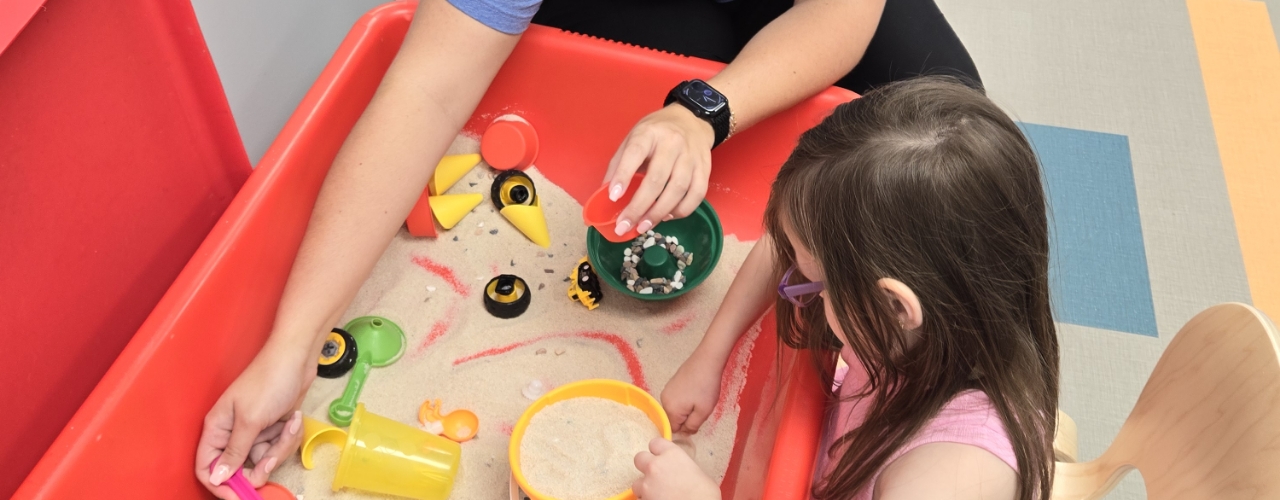
But during our sessions, we encourage your child to identify the activities they’re most interested in pursuing–and then we adapt those activities to address your child’s unique challenges. We use this approach because we want your child to find therapy fun and playful. Why? Because play is how children learn.
Pediatric occupational therapy as a field focuses on helping kids learn the skills they need to thrive in daily life. Some of the skills we might help your child navigate include the following:
- Time management
- Breaking up a complex project into smaller tasks
- Controlling impulses
- Setting priorities to get things done
- Learning appropriate social skills
No matter your child’s needs, we’ll develop a plan to address them. Schedule your child’s initial consultation today in Clinton or Knob Noster, MO!
Your Next Steps…
Request An Appointment
Meet Our Multidisciplinary Team
Receive a Seamless Treatment Plan
Start to See Success and Growth!