
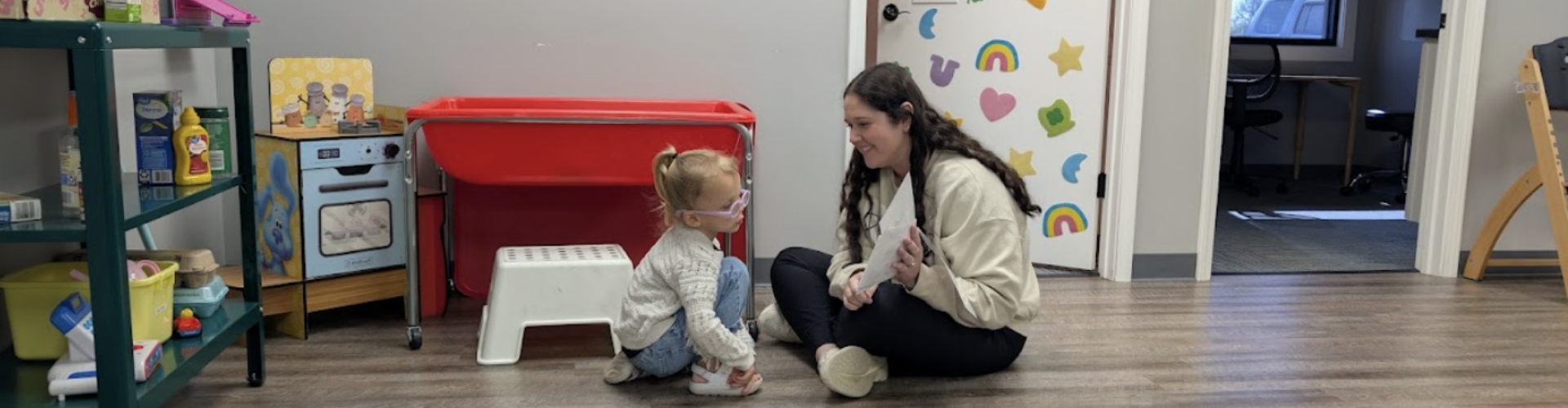
Supporting Speech and Language Development at The Pediatric Place
Does your child struggle to express themselves clearly? Are they having difficulty understanding what others are saying? Speech and language disorders can affect a child’s ability to communicate effectively, impacting their social interactions, academic success, and overall well-being. However, your child can overcome these challenges with the right support and reach their full communication potential.
Our team of dedicated pediatric speech-language pathologists (SLPs) in Clinton and Knob Noster, MO is here to guide you on this journey. We offer comprehensive evaluations, personalized therapy plans, and a nurturing environment to help your child blossom as a communicator.
Understanding Speech and Language Disorders
Speech and language disorders encompass a wide range of challenges that affect a child’s ability to understand and use spoken language. These can include:
Articulation Disorders:
- Difficulty forming specific sounds or sound combinations, making speech unclear.
- Many times errors include sound substitutions, sound omissions or deleted sounds, sound distortions, and sound additions.
- Our speech therapists (STs) are highly skilled in determining the cause and best treatment strategy for increased success. Potential causes include: developmental delays, hearing loss, structural abnormalities, neurological conditions, etc.
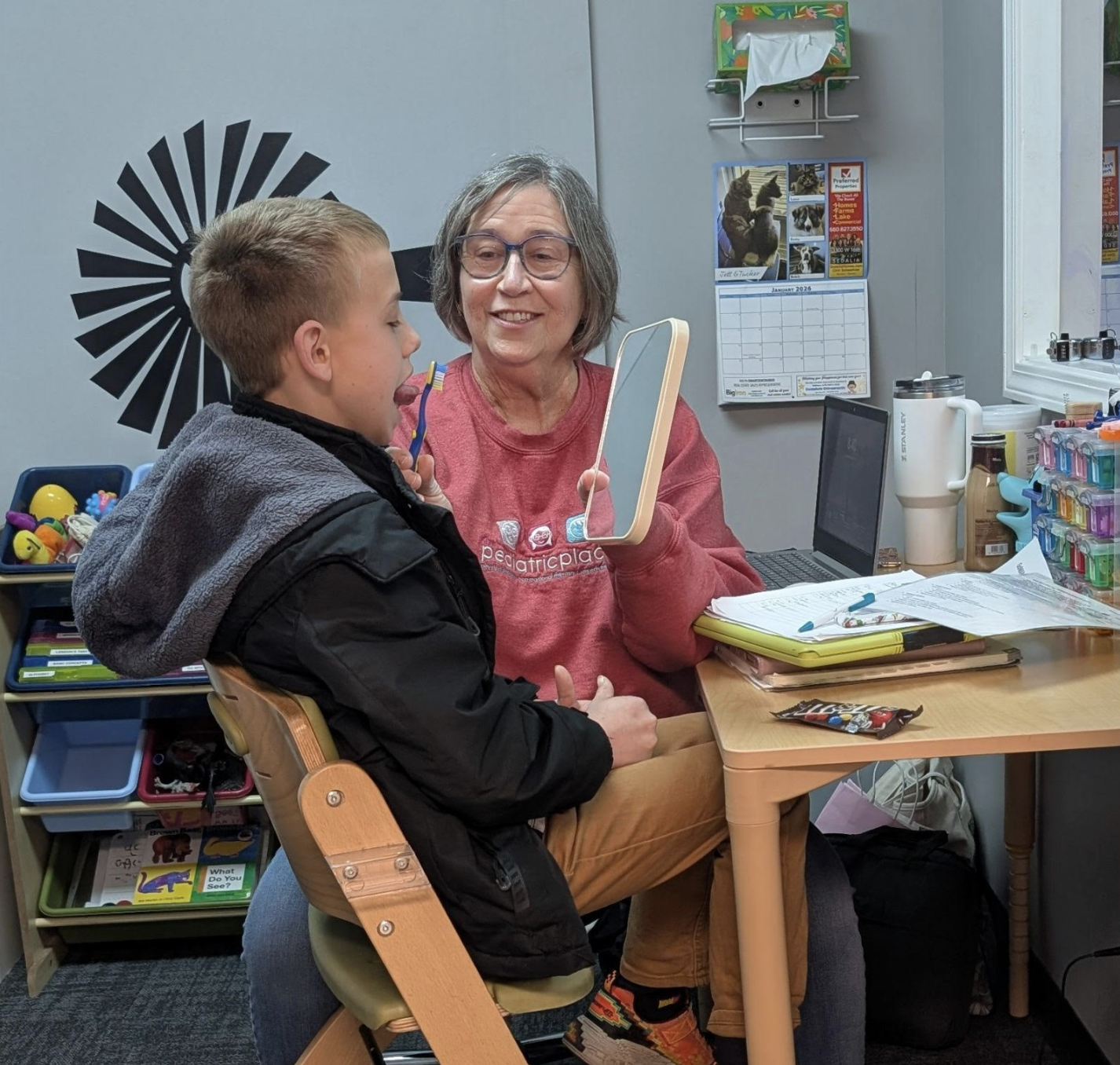
Expressive Language Disorders:
- Challenges with expressing thoughts, feelings, and ideas verbally and/or through written language.
- Expressive language disorders can affect a child’s ability to form a sentence, use correct grammar, use appropriate vocabulary, and efficiently and effectively organize their speech to get their point across.
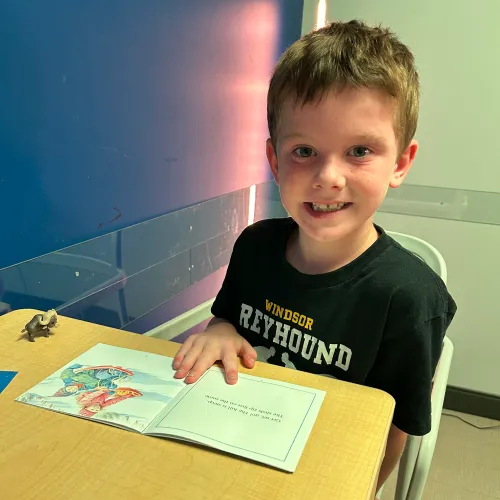
Receptive Language Disorders:
- Difficulty understanding and processing spoken language, leading to confusion and frustration.
- Receptive language disorders can impact a child’s ability to comprehend spoken or written words, sentences, or even complex instructions.
- Receptive language disorders can impact a child’s ability to follow conversations, understand questions, and grasp the meaning of words or sentences.
- Children with receptive language disorders may exhibit a limited understanding of vocabulary and may struggle to learn new words or concepts.
Stuttering
- Stuttering is a speech disorder characterized by disruptions in the flow of speech, such as repeating sounds, syllables, or words, prolonging sounds, or experiencing blocks where no sound comes out.
- It typically begins between ages 2 and 6 and can impact a child’s social interactions and academic performance if not addressed.
- The exact cause of stuttering is unknown, but it may be influenced by genetic, developmental, and environmental factors.
- Many children go through a temporary period of stuttering, but if it persists beyond six months, it’s important to seek treatment to reduce the likelihood of it continuing into adulthood.
Childhood Apraxia of Speech (CAS):
- CAS is a motor speech disorder where a child has difficulty planning and coordinating the motor movements required for speech production.
- CAS impacts the brain’s ability to send the correct signals to the muscles used in speech.
- The child knows what they want to say, but they struggle to physically produce the correct sounds in the right order.
- A child may have inconsistent sound errors, difficulty with sequencing sounds, exhibit groping movements in their mouth or face, distortion with the production of vowels, and difficulty producing longer phrases or sentences.
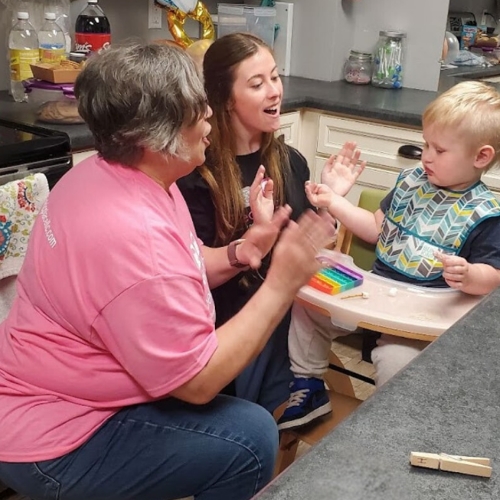
Orofacial Myofunctional Disorders (OMDs):
- OMDs refer to a group of disorders involving abnormal movement patterns and functions of the muscles of the face, mouth, and jaw.
- These disorders can affect activities such as speaking, eating, breathing, swallowing, and even facial expressions.
- OMDs are often related to improper development or function of the oral and facial muscles and can have a significant impact on speech and overall oral health.
- Common characteristics include: tongue thrusting, open mouth posture, mouth breathing, abnormal swallowing patterns, speech problems, problems managing saliva, chewing and eating difficulties, and facial muscles imbalance.
Fluency Disorders:
- Fluency disorders, also known as stuttering, involve disruptions in the flow, rhythm, and timing of speech. These disorders can significantly impact communication by causing speech to be uneven, interrupted, or difficult for others to understand.
- Fluency disruptions can include repetitions, prolongations, and blocks.
- Fluendy disorders can lead to secondary behaviors such as blinking, facial tension, or other body movements in an attempt to increase fluency.
Speech and language delays and/or disorders can be improved when identified and addressed early. At The Pediatric Place, we offer comprehensive evaluations to diagnose your child’s specific challenges and develop a personalized therapy plan.
How Speech Therapy Can Help Your Child
Our experienced SLPs utilize various evidence-based techniques to address your child’s specific needs. Here’s what you can expect:
Play-Based Therapy
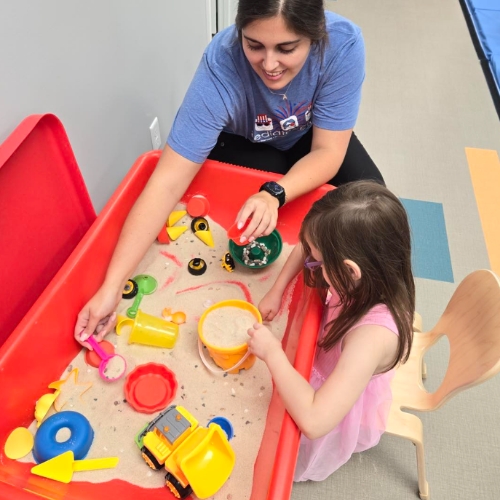
- Learning happens best through play! Therapists use engaging activities and games to target specific skills such as articulation, vocabulary development, and sentence structure.
Communication Strategies:
Communication Strategies:
- SLPs can teach your child alternative communication methods, like picture symbols or sign language, to bridge the gap during speech development.
Social Communication Skills:
Social Communication Skills:
- Therapists can help children develop the skills needed for successful social interactions, including turn-taking, active listening, and conversation skills.
Parent Training and Collaboration:
Parent Training and Collaboration:
- Parents are essential members of the therapy team. SLPs equip parents with strategies and techniques to implement at home and support their child’s ongoing development.
- Our therapists encourage parental involvement and often utilize our observation rooms to teach parents how to elicit communication within their home environment.
At TPP, we recognize the need for collaboration with parents as well as educators to ensure your child receives. In addition, we offer resources and support to help families navigate these challenges.
Call Today to Get Started!
We’re dedicated to providing a safe and encouraging environment where children with speech and language disorders can develop their communication skills and build confidence.
Contact us today for an appointment in Clinton or Knob Noster, MO and let our team help your child find their voice!
Your Next Steps…
Request An Appointment
Meet Our Multidisciplinary Team
Receive a Seamless Treatment Plan
Start to See Success and Growth!