
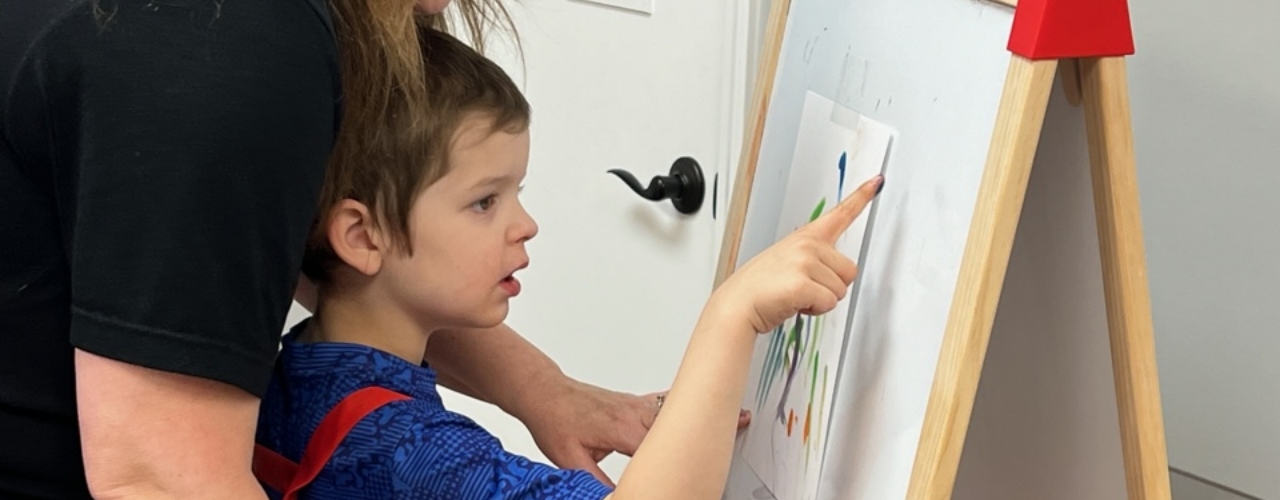
Growing Minds, Thriving Futures
Individualized Mental Health Care for Kids
At The Pediatric Place in Clinton and Knob Noster, MO, we recognize that a child’s mental health is just as important as their physical health. Pediatric mental health encompasses children’s and adolescents’ emotional, psychological, and social well-being. It influences how children think, feel, and behave, impacting their development, learning, and relationships. Our dedicated mental health professionals are committed to supporting children and their families through personalized care, helping them navigate the challenges of growing up.
When the World Feels Heavy
Pediatric mental health involves several key aspects that are crucial for a child’s overall well-being:
Emotional Development
Children learn to identify, express, and manage their emotions, which is essential for their self-awareness and interpersonal relationships.
Social Skills
Building healthy relationships and interacting with peers are fundamental to a child’s social development. Learning to communicate and resolve conflicts positively contributes to their social competence.
Behavioral Patterns
Developing appropriate and positive behaviors helps children navigate their environments effectively. Understanding and managing behaviors are crucial for a child’s success at home, school, and social settings.
Coping Mechanisms
Learning to handle stress and challenges is a vital skill that children must develop. Effective coping strategies enable children to face difficulties with resilience and adapt to changes in their lives.

Unseen Struggles
Signs of Potential Mental Health Issues
While it’s normal for children to experience mood swings and challenges, certain persistent or severe symptoms may indicate an underlying mental health condition. Parents should be vigilant for the following signs:
- Excessive Sadness or Irritability: If a child consistently appears unhappy or easily upset, it may be a sign of depression or anxiety.
- Changes in Appetite or Sleep Patterns: Sudden changes in eating habits or sleep routines can be indicators of emotional distress.
- Difficulty Concentrating or Focusing: Struggles with attention, focus, or staying on task might point to conditions like ADHD or anxiety.
- Withdrawal from Friends or Activities: A child who suddenly loses interest in social activities or avoids spending time with friends could be experiencing mental health challenges.
- Aggressive or Defiant Behavior: Persistent aggression, defiance, or frequent temper tantrums can indicate underlying behavioral or emotional issues.
- Self-Harm or Suicidal Thoughts: Any indications of self-harm or suicidal ideation should be taken seriously and addressed immediately with professional help.
It’s important to note that these signs are general indicators; every child is different. If you are concerned about your child’s mental health, seeking professional help is crucial. Early intervention can make a significant difference in a child’s life, providing the support they need to thrive.
Anxiety & Depression
Does your child seem overwhelmed by worries? Do everyday situations cause them stress or fear? Anxiety & depression affects millions of children, impacting their daily lives and overall well-being. However, there’s hope. Pediatric mental health therapy offers effective strategies to help children manage their anxieties and thrive.
Anxiety isn’t just about feeling nervous. It’s a complex emotion that can manifest in many ways, from physical symptoms like stomach aches and headaches to behavioral changes like irritability or difficulty sleeping. For some children, anxiety stems from specific triggers, while others experience generalized worry. Regardless of the cause, the impact is real. Pediatric mental health therapy provides a safe and supportive environment to learn coping mechanisms, build confidence, and manage their emotions.
Our mental health professionals use a variety of techniques to address anxiety in children. Here are four commonly used approaches:
Sensory Integration
Many children with anxiety are hypersensitive to sensory input. Therapy helps them regulate their responses to stimuli like noise, touch, and movement, reducing overwhelming feelings and anxiety.
Relaxation Techniques
Deep breathing, progressive muscle relaxation, and guided imagery are taught to children as tools to calm their minds and bodies when anxiety arises.
Cognitive Behavioral Strategies
Therapy helps children identify negative thought patterns and replace them with more positive and realistic ones. This empowers them to challenge their anxieties and develop healthier coping skills.
Social Skills Training
For children whose anxiety affects their interactions with others, therapy teaches communication, problem-solving, and friendship-building skills, boosting their confidence and reducing social anxiety.
Depression in children is more than just feeling sad or having a bad day—it’s a serious medical condition that affects their mood, thoughts, and daily activities. While it’s normal for kids to feel sad occasionally, depression is persistent and can last for weeks, months, or even longer. Understanding the difference between everyday sadness and depression is crucial for parents and caregivers.
Sadness in children is usually triggered by specific events, like losing a pet or having trouble at school, and these feelings typically fade with time and support. However, depression is different—it’s more intense and doesn’t go away easily. It can interfere with a child’s ability to enjoy life and engage in daily activities. Although life events can contribute to depression, a child’s experience of it may not always have an obvious cause.
Our mental health professionals use a variety of techniques to address anxiety and depression in children. Here are four commonly used approaches:
- Teaching relaxation, pacing, and coping strategies helps children manage stress and fatigue, which can reduce symptoms of depression and improve emotional well-being.
- Implementing structure and routine in a child’s day minimizes stress, boosts self-confidence, and creates a sense of stability, making daily life more enjoyable.
- Setting realistic and achievable goals motivates children, promotes a healthy lifestyle, and enhances their self-esteem, which is crucial in managing depression.
- Supporting school or social activities helps children function better in these environments, encouraging them to stay engaged and connected, which is vital for their mental health.
Addressing Mental Health in Children
At The Pediatric Place in Clinton and Knob Noster, MO, we are dedicated to providing top-quality pediatric services, including occupational therapy, physical therapy, speech therapy, nutrition therapy, mental health therapy, and ABA. Our mission is to empower children and their families through innovative practices and compassionate care. If you are concerned about your child’s mental health, don’t hesitate to reach out. Our experienced mental health therapists are here to support your child in navigating life’s challenges and achieving emotional well-being!
Your Next Steps…
Request An Appointment
Meet Our Multidisciplinary Team
Receive a Seamless Treatment Plan
Start to See Success and Growth!