
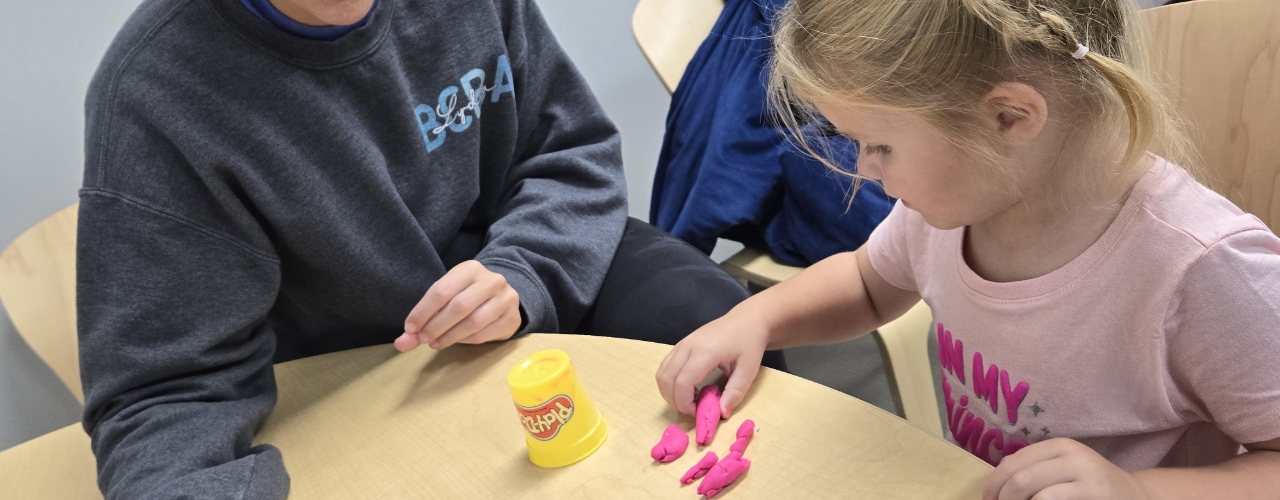
Supporting children with autism through a multidisciplinary approach is the focus of every professional at The Pediatric Place
Every child is unique, and some face challenges that require specialized support to fully flourish. For children on the autism spectrum, pediatric applied behavior analysis therapy (ABA) in combination with occupational therapy (OT), physical therapy (PT), speech-language therapy (ST), and mental health therapy (MH) can make a profound difference in their ability to navigate the world around them. If your child has autism, you’re likely familiar with the everyday obstacles they face. Perhaps they struggle with social interactions, have difficulty with motor skills, or find it challenging to focus on tasks. A multidisciplinary approach for autism in Clinton and Knob Noster, MO offers targeted interventions that can address these challenges head-on.
Pediatric ABA therapy with collaboration from PT, ST, OT, and MH for autism can help children enhance their skills and thrive in their daily lives. Contact us today for an appointment if you are interested in seeing how we can help.
How a Multidisciplinary Therapy Team For Autism Helps Children Thrive
Autism Spectrum Disorder (ASD) is a neurodevelopmental condition characterized by challenges with social communication and interaction, as well as restricted, repetitive behaviors or interests. It affects multiple areas of development, including communication, behavior, sensory processing, feeding, and social interaction. A multidisciplinary team—including professionals such as speech therapists, occupational therapists, behavior analysts, mental health therapists, and physical therapists—can assess the child from different angles. This holistic view ensures that interventions target all areas of need, providing comprehensive support.
A multidisciplinary approach to autism brings together diverse expertise and perspectives and maximizes the child’s potential for development, helping them achieve greater success in various life domains.
Expertise in Different Areas
Each professional in a multidisciplinary team brings specialized knowledge and skills to address specific challenges faced by the child. For example:
- Speech and language therapists work on communication challenges.
- Occupational therapists focus on sensory integration and motor skills.
- Behavior analysts design behavior intervention plans.
- Mental Health therapists focus on reducing anxiety, depression, and emotional regulation.
- Physical therapists play an important role in helping children with autism by addressing motor skills, coordination, and physical functioning. This collaboration results in a more tailored and effective intervention plan.
Coordinated Care
Multidisciplinary teams promote collaboration between professionals and families, creating a cohesive plan that addresses the child’s needs across environments—home, school, and therapy sessions. This coordination minimizes gaps or overlaps in services and helps maintain consistency in strategies, making it easier for the child to generalize skills across different contexts.
Individualized Support
Children with autism have unique strengths and challenges, requiring individualized support. A multidisciplinary approach allows for customized interventions that consider the child’s entire developmental profile. For example, a child might need a combination of behavior therapy to address specific behaviors, speech therapy to work on communication, and sensory integration therapy to manage sensory processing issues.
Family-Centered Care
Families play a crucial role in supporting a child with autism, and a multidisciplinary approach often includes parental involvement in the decision-making process. This empowers parents with the tools and strategies they need to continue interventions at home and ensures that the family’s priorities and values are reflected in the care plan.
Evidence-Based Practice
Research consistently supports the use of multidisciplinary teams in autism care. Studies show that comprehensive, coordinated care leads to better outcomes in communication, social skills, academic achievement, and daily living skills. A multidisciplinary team can ensure that the child benefits from a range of evidence-based interventions.
Flexible and Adaptive
Autism is a spectrum, and each child’s needs can change over time. A multidisciplinary team can adapt to these changes by adjusting interventions and bringing in different professionals as needed. This flexibility helps the child continuously progress and meet developmental milestones.
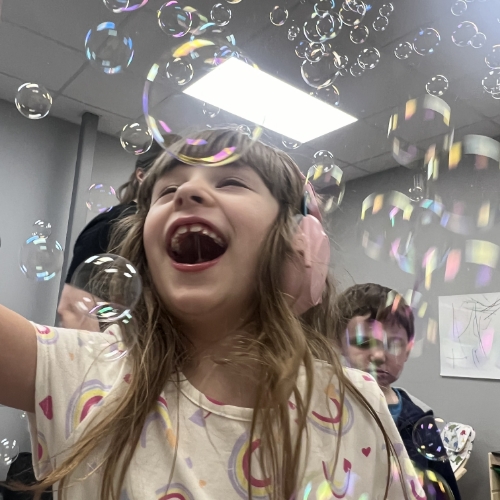
Building skills with personalized pediatric therapy for autism
Pediatric ABA therapy is often just one piece of the puzzle when it comes to helping a child on the autism spectrum. The developmental needs of autistic children can vary widely, and there is no one-size-fits-all treatment plan.
Depending on your child’s needs, they may also benefit from the following types of treatment in addition to ABA therapy:
- Speech-Language Therapy: Depending on your child’s speech skills, a speech therapist might work with them on conversational speech and vocabulary, nonverbal communication, sign language or other forms of communicating.
- Augmentative and Alternative Communication (AAC): This form of treatment involves using pictures or symbols to develop simple connections and augment the child’s ability to communicate desires to others. AAC devices are tools used to help individuals with communication disorders express themselves more effectively and independently. AAC can be “low-tech” through the use of pictures or symbols, books, eye gaze boards, etc. and does not involve electronic components. “High-tech” AAC are electronic devices that can produce speech or texts. This includes speech-generating devices (SGD), dedicated communication devices, and/or mobile apps.
- Physical Therapy: Kids on the autism spectrum also have trouble with sitting, running, jumping, walking and other gross motor tasks. A pediatric physical therapist will work with your child to help them improve muscle tone, balance and other skills.
- Occupational Therapy: Occupational therapists work with children to improve their motor skills, sensory processing, social interaction, and cognitive abilities.
- Sensory Integration Therapy: Many autistic children have difficulty processing sensory information (smells, touch, sight, sound, movement). This type of pediatric therapy involves working with a child on sensory stimulation to help them process incoming information at a neurological level.
- Mental Health Therapy: Mental health therapists play a critical role in treating autism by addressing the emotional, behavioral, and psychological challenges that often accompany the condition. While autism is primarily a neurodevelopmental disorder, many individuals with autism also experience co-occurring mental health issues, such as anxiety, depression, and emotional regulation difficulties. Mental health therapists help by providing therapeutic interventions that focus on improving overall mental well-being and supporting emotional development.
get started with pediatric ABA therapy for autism at The Pediatric Place
If you think your child could benefit from pediatric ABA therapy for autism, don’t hesitate to contact our Autism & Neurodevelopmental Center. We’re here to support you and your child on their journey to living their best life.
Schedule an appointment today in Clinton or Knob Noster, MO and discover how occupational therapy can make a difference for your child.
Your Next Steps…
Request An Appointment
Meet Our Multidisciplinary Team
Receive a Seamless Treatment Plan
Start to See Success and Growth!