Anatomy of a Pediatric Mental Health Therapist
Written By: Amy Wolcott M.S., CCC-SLP
At the Pediatric Place, we know the counselors and social workers on our mental health team are special. Everyday they build confidence and help kids work through big challenges! We decided to take a closer look at this unique skillset, so we asked our mental health team some questions and developed a list of traits based on their answers. Here’s what we learned about the anatomy of a pediatric mental health therapist!
Personality Traits
- WARM AND CARING
- SUPPORTIVE
- PATIENT
- CALM
- PASSIONATE
Accessories
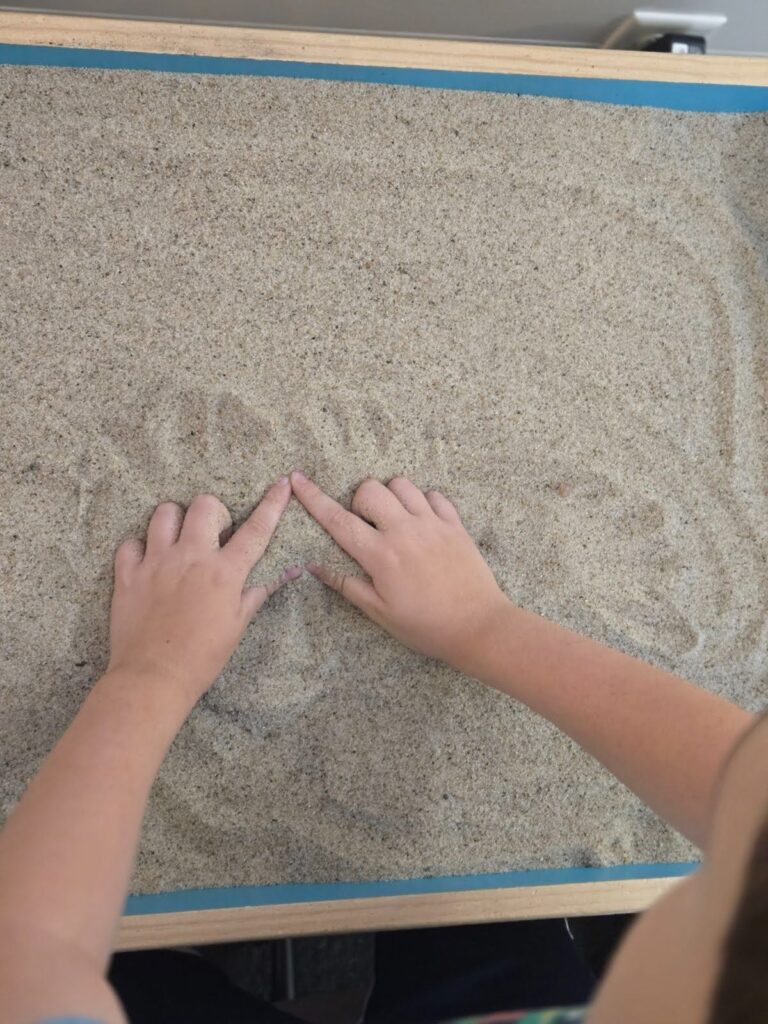
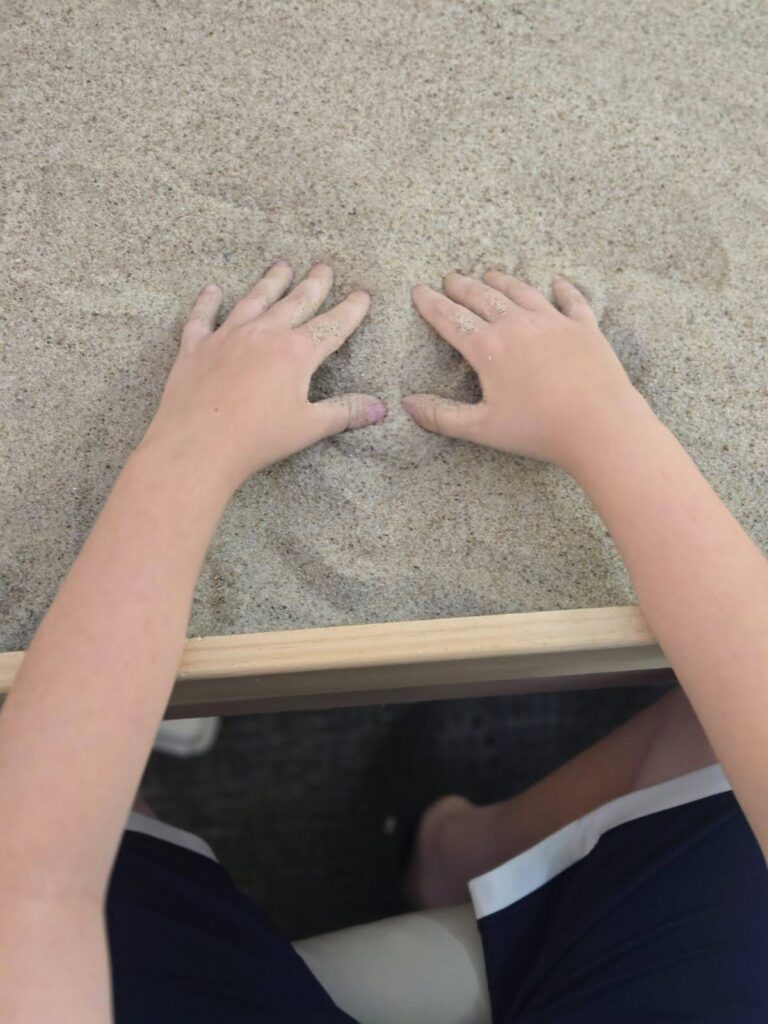
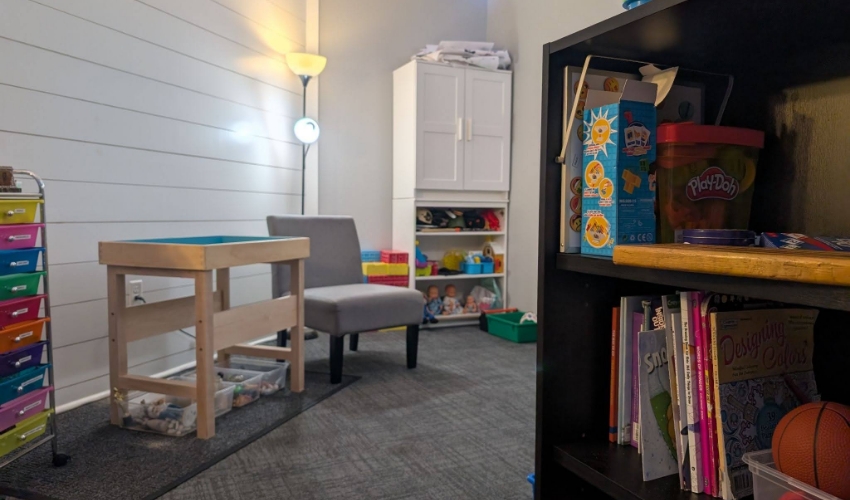
We learned from observation that if you are a pediatric mental health therapist, you get to play with a lot of toys (and the rest of us are jealous). At any given time, you might have:
- DOLL HOUSE
- DOCTOR STATION
- KITCHEN
- BLOCKS
- DRAGONS
- DINOSAURS
- SWORDS
- VEHICLES
- FIDGETS
- ART SUPPLIES
- SENSORY ITEMS
A Special Kind of Creativity
As we studied the anatomy of a pediatric mental health therapist, one personality trait stood out so much that we decided it required its own category: creativity. From creative play to creative therapy techniques, there are so many reasons a pediatric mental health therapist needs to be creative. Here are a couple that really stood out:
- AGE OF CLIENT: “Kids are very protective of themselves, especially teenagers—which is great—but it means that as a counselor we sometimes have to not act like a counselor, while also being a counselor to help them feel safe in the environment. The expanse of ages also means that we can go from working with a 4 year old to a 17 year old in a matter of minutes, and the developmental changes between those ages are significant. We have to be able to easily shift our skillset from play therapy to talk therapy very quickly. We also sometimes need to use play therapy aspects with older children and this can feel abnormal, but is necessary for what the child needs.” – Emily Stocking, LPC
- CLIENT-SPECIFIC INTERVENTION: “I have found that, when working with kids, out-of-the-box thinking is super beneficial! Whether it looks like modifying an intervention to best suit the needs of the child, or collaborating with the child on fun activities to make progress toward their goals, an important piece of our jobs as therapists is to be creative in meeting the child where they are at and being attuned to their unique set of needs.” – Elise Miller, PLPC
Motivation
So what is it that motivates a pediatric mental health therapist? Why is it that they truly love what they do? We asked them, and this is what we found out:
- THEY MAKE A DIFFERENCE IN YOUNG LIVES: “I think that working with pediatrics is wonderful because the kiddos are still young and their brains are easier able to adapt and overcome!” – Emily Stocking, LPC
- THEY COLLABORATE WITH FAMILIES: “A benefit I have noticed from working with pediatrics is the amount of collaboration that is necessary. In pediatrics, a therapist strives to support not only the child, but the family unit as a whole to facilitate the child’s progress and well-being. Learning how to best include family members into a child’s mental health treatment is a skill that I believe is best learned when working with children.” – Elise Miller, PLPC
- THEY ARE NEVER BORED: “I find the age differences and developmental differences to be a benefit because I don’t get stagnant in the techniques that I am using, I get to have change throughout my day, while still working in the same setting.” – Emily Stocking, LPC
Does this sound like you? We’re looking for licensed professional counselors and licensed master social workers to join our team! Learn more about job opportunities on our careers page!
Questions or comments? Reply to this email!