

Screen Time: Is It All Bad?
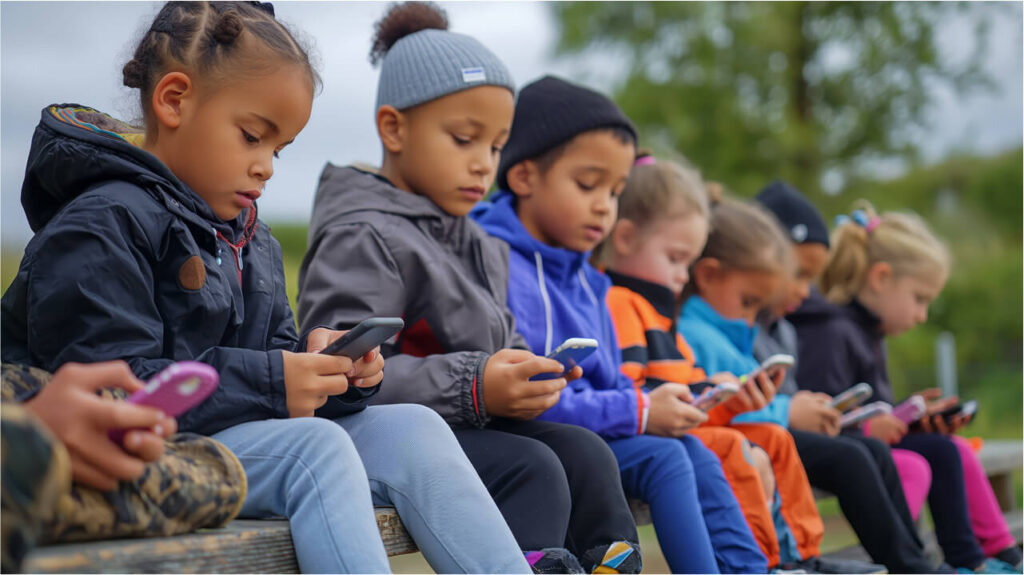
In today’s world, so many aspects of life take place on screens. We use screens to keep up with friends, read the news, join a work meeting, take classes, learn about a topic of interest, fill down time—the list is endless.
Screens have increasingly crept into the lives of the youngest members of our society as well. Cartoons and online games can keep a toddler happy on a car trip or in a waiting room, or provide parents with uninterrupted time to get work done.
As a speech-language pathologist, I’m often asked questions about how screen time affects childhood development. Is it all bad? How much is too much? Can screen time be educational too? I’ve heard many different opinions from parents and colleagues, and I’m not sure the answer is black and white.
Overall, research agrees that excessive screen time can negatively impact child development. Today we take a look at what some of that research says and how you can use it to inform decisions you make for your child.
How Might Screen Time Be Harmful?
Physical Health
Excessive screen time might impact physical health in several ways. Studies have shown a relationship between increased screen time and childhood obesity (Fang et al., 2019). Research also suggests screen time, especially in the evening, may affect the quality of sleep in young children (Janssen et al., 2020). Evidence even suggests that excessive screen time may increase the risk of vitamin D deficiency as children spend less time outside (Das & Bahrani, 2024).
Behavioral Health and Development
Studies have suggested that excess screen time might be associated with increased risk of inattention problems and ADHD (Tamana et al., 2019). Increased screen time may also be associated with internalizing behaviors, such as depression (Wang et al., 2019).
Communication and Social-Emotional Development
Too much screen time may increase the risk of language delays in toddlers (Byeon & Hong, 2015). In fact, the American Academy of Pediatrics recommends very limited screen time for children younger than 2, with the exception of video chats with friends or family members. Screen time that is passive rather than interactive may result in fewer social interactions with family and playmates, with the potential for delaying social skill development (Hinkley et al., 2018).
Is All Screen Time Created Equal?
Clearly, excess screen time may have negative effects on young children. But are some on-screen activities better than others? Research does indicate that screen time is more beneficial in certain contexts.
Co-viewing with Family Members
Screens do not make good babysitters! However, interaction with a parent, caregiver, or sibling during screen time provides opportunities to pose questions and promote vocabulary, vocalization, and comprehension (Karani et al., 2022).
Active Versus Passive Screen Time
Some studies have indicated that passive screen time (e.g., TV) results in more negative cognitive outcomes than active screen time (e.g., video games). However, both types carried risks for reduced health, behavioral, and social-emotional outcomes (Sanders et al., 2019).
Stimulus Characteristics of Digital Media
Videos that are fast-paced with few close-ups, flashing or quickly-changing images, and less language have been found to have fewer positive outcomes compared to programs with more vocabulary content and processing time (Karani et al., 2022).
So…Screen Time or No Screen Time?
This is a personal decision for each family, and there may not be a one-size-fits-all answer. Based on the research available, it is reasonable to state that screen time is excessive if it prevents children from receiving enough physical activity and social interaction. Using screen time as an opportunity for interaction and considering characteristics of media viewed may result in more positive outcomes.
Questions or comments? Respond to this email!
By Amy Wolcott, SLP, CCC