Safety Matters at The Pediatric Place: Proactive, Individualized, Compassionate Care
Written By: Amy Wolcott M.S., CCC-SLP
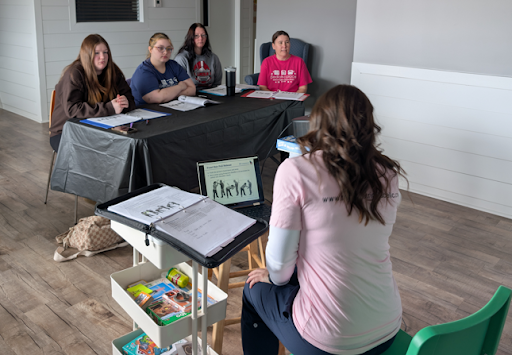
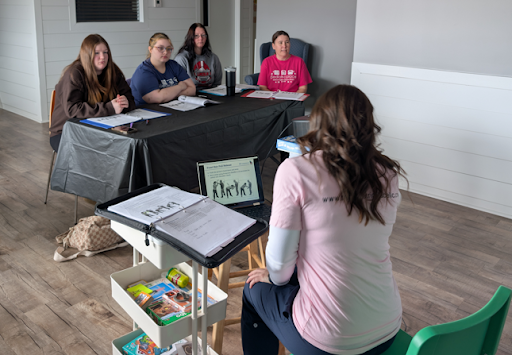
At The Pediatric Place, the safety of the children in our care is one of our top priorities. Because we serve a population that includes children with complex medical and behavioral needs, we strive to ensure that our staff is trained to handle any situation that arises.
“At TPP, we truly believe that every behavior is deserving of curiosity before correction,” explained Brooke Allen, Applied Behavior Analysis Director. She believes that what sets TPP apart in regard to safety care is our focus on “replacing risk with skills, not replacing voice with compliance.”
TPP co-owner and Safety-Care® Trainer Jessi Frencken explains that “at The Pediatric Place, safety is not reactive—it is proactive, individualized, and rooted in compassion. What truly sets us apart is that safety is integrated into our clinical culture—it’s not just something we do during a crisis.”
We believe our focus on prevention before crisis and individualized safety planning will prevent most situations from escalating. However, that does not mean we’re not prepared if crises do arise. Here’s a look at how we are prepared to keep your child safe in emergency situations.
Elopement Prevention
For children who may attempt to leave a room, hallway, or building unexpectedly, we work with families to create and implement individualized elopement prevention plans that may include:
- Close supervision and strategic staff positioning
- Visual supports and clear transition warnings
- Secured exterior doors
- Assigned staff during transitions
- Individualized behavior support plans
- Teaching replacement skills for requesting breaks or space
- Staff-wide quarterly elopement drills
“In our practice, elopement is treated as communication requiring assessment, compassion, and skill-building,” Brooke explained. “It is important to ensure we are not looking at elopement as managing behavior, but rather looking at elopement as learners trying to communicate. Elopement tells us that something about the environment must change. We, as adults, are able to be the detectives to navigate those needed changes in the environment.”
Management of Self-Injurious or Aggressive Behaviors
At TPP, we emphasize preserving dignity and minimizing trauma. Physical intervention is always a last resort and never punitive. We seek to support children who may engage in self-injurious or aggressive behavior by:
Prevention-Based Strategies
- Functional behavior assessment
- Teaching communication alternatives
- Sensory regulation supports
- Visual schedules and predictability
Procedures to Follow During Escalation
- De-escalation techniques
- Verbal calming strategies
- Environmental adjustments
- Maintaining safe distance and positioning
A Plan to Follow When Physical Safety Is at Risk
- QBS Safety-Care® certification completed annually, with quarterly refreshers
- Only trained staff implement approved, least-restrictive safety procedures
- Trained staff at 1:1 ratio with child
- Interventions are used solely to prevent injury
- Camera footage in every room promptly reviewed for proper Safety-Care® techniques
- Incidents are documented by staff and reviewed by Board Certified Behavior Analyst
Preparation for Medical Emergencies
We gather detailed medical history information at intake and maintain updated emergency contact information and care instructions. For children with complex medical needs, we collaborate closely with families and healthcare providers to ensure continuity and safety.
For situations that do arise, our staff is trained to respond calmly and effectively to medical situations. Training includes:
- CPR and First Aid certification
- Emergency response protocols
- Recognition of medical red flags
- Individualized medical plans for children with known conditions (e.g., seizures, allergies, feeding precautions)
- Clear communication and emergency activation procedures
Partnering with Families to Enhance Safety Planning
“Safety plans are living documents,” Jessi explained. “As your child grows and progresses, we adjust accordingly. We never want safety to feel like a closed conversation. If a parent has a concern about their child’s safety, we want to hear it.”
We invite families to:
- Share behavioral and medical history openly
- Identify known triggers and successful strategies
- Participate in creating individualized safety plans
- Review and revise plans as needed
- Request meetings to discuss concerns at any time
Are you a pediatric therapist who wants to make a difference? We’d love to talk to you about joining our team! Learn more about employment opportunities here!