
Dyslexia: How to Identify It Early for Best Results
What Is Dyslexia?
Dyslexia is a language-based disorder that impacts reading and writing skills. It is extremely common: current estimates suggest that between 10-20% of the population is affected by dyslexia. Previously thought to be a visual processing disorder, it is now understood that dyslexia is caused by differences in the way the brain processes sounds within words and translates symbols (letters) into sounds and words. Dyslexia is not related to general intelligence.
When Is Dyslexia Typically Diagnosed?
Dyslexia is often diagnosed around the 3rd grade. This is unfortunate, because an important shift occurs in the classroom around this same time: rather than learning to read, children begin reading to learn. Children are increasingly expected to access academic content through reading assignments and demonstrate knowledge through writing tasks. Around this age, differences in vocabulary acquisition can also be observed between strong readers and weak readers. For these reasons, a child with dyslexia who does not receive quality intervention in the early school years may fall behind in multiple academic areas.
Can Dyslexia Be Identified Earlier?
Yes! Deficits in phonological language skills that form the building blocks of reading readiness can be identified before formal reading instruction even begins! Studies have shown that when at-risk beginning readers receive intensive, research-based instruction, the majority reach average reading performance levels.
Early Signs of an At-Risk Reader
Preschool Years
- Difficulty recognizing and producing rhyming words
- Difficulty learning to spell very familiar words (like their own name)
- Difficulty memorizing sequences (like the ABCs, numbers, days of the week, etc.)
- Difficulty learning (and remembering) nursery rhymes
- Difficulty with rapid automatic naming (quickly naming familiar items presented visually, like colors, familiar objects, etc).
- Difficulty finding the right word for familiar objects
- Difficulty following directions with multiple steps
- Difficulty telling stories with a logical sequence
Kindergarten-1st Grade
- Difficulty developing sound-letter correspondence (matching letters to their sounds)
- Difficulty identifying individual sounds within words (e.g., the first sound in “sun” is /s/)
- Difficulty sounding out simple words (e.g., cat, bat)
- Displays significant frustration or becomes stressed when attempting to read
Dyslexia sometimes (but not always) co-occurs with the following disorders and histories:
- ADHD
- Receptive-expressive language disorder
- Phonological/speech sound disorder
- Family history of dyslexia or reading/writing delays
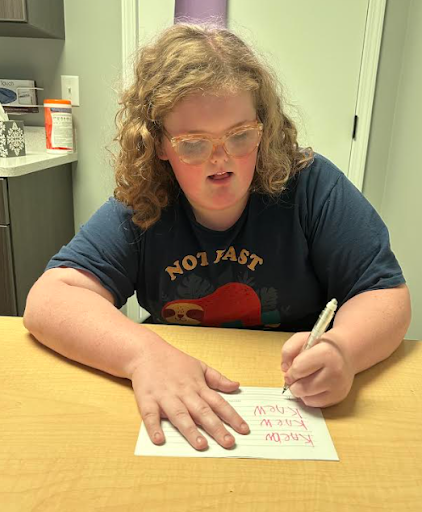
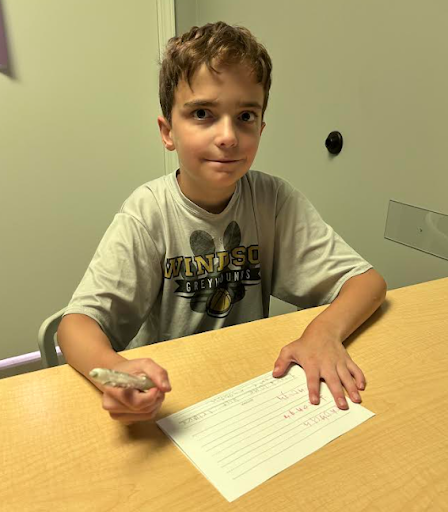
If you are concerned about your preschooler’s phonological language development or feel your school-aged child is having difficulty acquiring reading and writing skills, call us today to schedule an evaluation! Our team of speech-language specialists is trained to identify oral and written language disorders and provide high-quality intervention services and home programming recommendations to help your child reach their full potential!