
Effective Feeding Therapy Exercises for Kids
Feeding Therapy for Toddlers Promotes Nourishment and Growth, One Meal at a Time
Feeding therapy exercises are a helpful intervention option aimed at addressing difficulties that some children encounter during mealtime. As parents, caregivers, and therapists, understanding the reasons behind these challenges is key to providing effective support. Feeding therapy exercises can enhance oral motor function and address feeding issues in children so they can process food aversions in a caring, supportive, and fun environment. At our clinic, we have an exceptional team of occupational and speech-language therapists who are dedicated to helping children overcome their feeding difficulties. We believe that a multidisciplinary approach is necessary to properly evaluate and treat feeding disorders, which is why our therapists work closely together to provide comprehensive care.
Not only do we assess any potential structural abnormalities in a child’s mouth and throat, but they also consider if a sensory-based approach is necessary. Our therapists are highly trained and experienced in a variety of therapeutic feeding techniques that are tailored to each child’s unique needs.
One of our therapists, Courtney Van Alstine, OTR/L, is certified in the Learn Play Thrive (LPT) approach specifically designed for children with Autism Spectrum Disorder. She has successfully implemented this approach in many of her feeding therapy sessions and has seen great results.
We understand that feeding disorders can be a challenging and stressful experience for both children and their parents, which is why we are committed to providing compassionate care and support throughout the entire process.
Gain insight into techniques and interventions to promote healthy development for kids.
Behind the Need for Pediatric Feeding Exercises
We provide feeding therapy exercises for children who are experiencing food aversions, difficulty swallowing, and other challenges surrounding feeding for a variety of reasons, like:
- Sensory Processing Issues: Children may experience heightened sensitivity to certain textures, tastes, or smells that make mealtime overwhelming.
- Oral Motor Challenges: Weakness or coordination issues in the muscles used for chewing, swallowing, and sucking can lead to difficulties in managing food.
- Behavioral Factors: Tantrums, refusal to eat, or mealtime struggles can stem from a variety of behavioral issues, including defiance, anxiety, or a desire for autonomy.
- Medical Conditions: Underlying medical conditions such as reflux, food allergies, or gastrointestinal issues can cause discomfort or pain during eating.
- Developmental Delays: Children with developmental delays may exhibit delays in acquiring feeding skills, such as self-feeding or transitioning to solid foods.
Feeding Therapy Exercises for Kids at The Pediatric Place
Our speech and occupational therapists are specially trained to design programs that make feeding therapy exercises fun and engaging for children. We use games, stories, and role-play activities to make children feel safe and comfortable while they learn. Some of those feeding therapy exercises include:
Sensory Integration Therapy
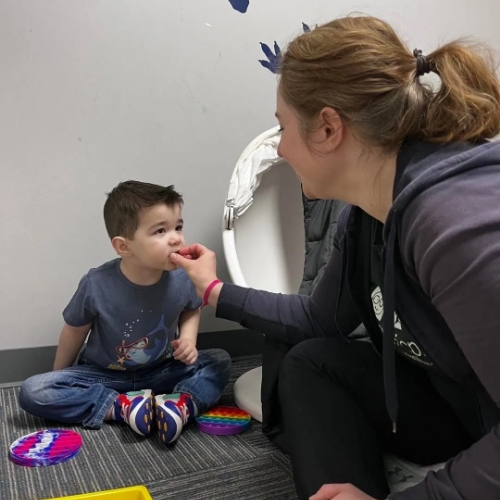
Focuses on addressing sensory processing issues by exposing children to various textures, tastes, and smells in a structured and gradual manner. Our therapists use sensory activities to help children become more comfortable with different foods to ultimately reduce mealtime aversions.
Oral Motor Exercises
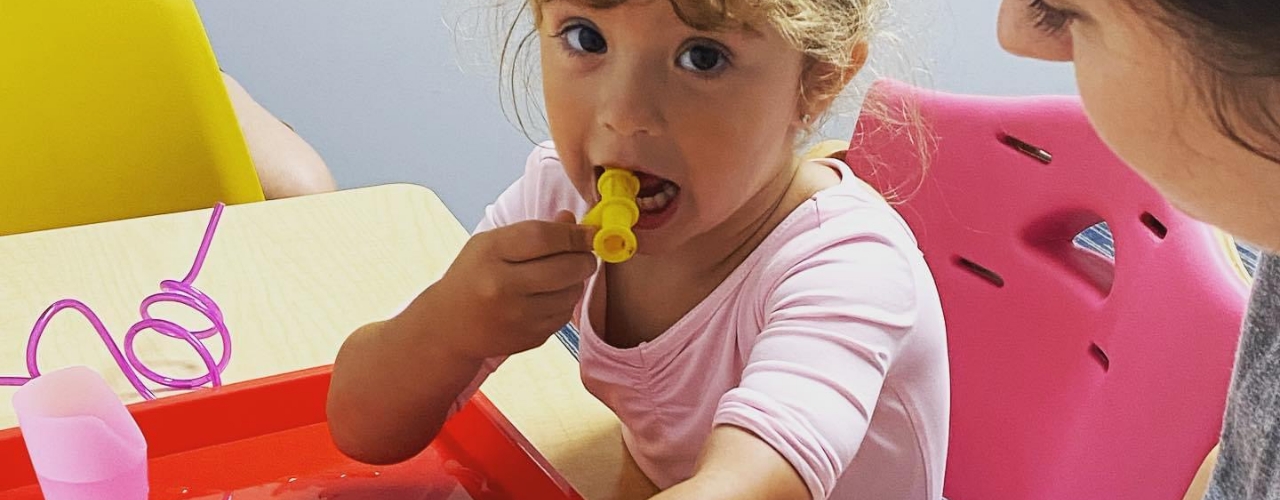
Target the development and strengthening of oral motor skills crucial for chewing, swallowing, and sucking. Our therapists help improve oral muscle coordination and control to facilitate better food manipulation and consumption through exercises and activities tailored to the child’s needs.
Food Chaining
Systematically introducing new foods based on similarities to preferred foods. We work with children to identify preferred foods and gradually introduce similar foods to expand their palate and increase food variety. This approach helps reduce resistance to new foods and promotes a more balanced diet over time.
Behavior Modification Techniques
Addressing mealtime behaviors that contribute to feeding difficulties. We collaborate with parents to implement strategies such as positive reinforcement, structured mealtime routines, and offer choices to empower children and create a more positive mealtime experience.
Environmental Modifications
Adapting the feeding environment to better accommodate the child’s needs and promote successful eating. This may include adjusting seating arrangements, utensils, or mealtime distractions to minimize sensory overload and facilitate focus on eating.
We begin every program with a thorough evaluation of your child’s medical history and existing condition. We’ll also take the time to answer any questions you have about feeding therapy exercises for kids at our clinic and set achievable goals for measurable results.If you suspect your child may need feeding therapy exercises, give us a call today! We’re here to help and support your child’s journey to healthy feeding habits.
Your Next Steps…
Request An Appointment
Meet Our Multidisciplinary Team
Receive a Seamless Treatment Plan
Start to See Success and Growth!