
Unlock Your Child’s Potential with Specialized Pediatric Physical Therapy at The Pediatric Place
At The Pediatric Place, we work with children ages birth-18 to ensure the best quality of care for each child. From birth, children are eager to play, explore and learn. They learn to explore and interact with their surroundings through rolling, crawling, walking, running and jumping…all through play. It’s the playing that prepares them for adulthood.
We work with children who are facing developmental delays, and have challenges meeting their milestones, making it difficult for them to interact, learn, explore and play. We also create a fun exercise environment where a child can rehab their injury and learn exercises that they can do at home so that they can get back in the game as quickly and safely as possible, while also learning ways to prevent future injuries. Physical therapy is recommended for children who are not meeting their milestones, as well as children who are experiencing physical challenges due to a condition or injury affecting their musculoskeletal system.
Our goal in Clinton and Knob Noster, MO is to help you and your child live their best life, participate in family routines, play and grow like you would want them to and get them ready for anything. If you believe your child would benefit from physical therapy, request an appointment at The Pediatric Place today.
How Can Physical Therapy in Clinton and Knob Noster, MO Help?
If your child is experiencing developmental delays in motor skills and milestones, pediatric physical therapy can provide valuable support and intervention. Physical therapy can address concerns such as:
- Lack of head control at 3 months: A physical therapist can assess your child’s head control and provide exercises and techniques to promote strengthening of neck muscles and improve head control.
- Head tilting and flat head at 3 months: Physical therapy can help address asymmetrical head positions, provide guidance on repositioning techniques, and recommend exercises to encourage balanced head movements.
- Delayed rolling over at 6 months: A physical therapist can work with your child to develop the necessary core strength, balance, and coordination for rolling over and progressing to other motor milestones.
- Delayed sitting and crawling at 9 months: Physical therapy can target specific muscle groups and provide activities to promote sitting and crawling, fostering the development of mobility and independence.
- Delayed standing at 1 year: A physical therapist can guide your child through exercises and activities that target strength, balance, and coordination to facilitate standing and weight-bearing.
- Delayed walking at 18 months: Physical therapy can assist in addressing any underlying factors contributing to the delay in walking, providing exercises and techniques to promote balance, coordination, and confidence in independent walking.
- Clumsiness and frequent falls: A physical therapist can evaluate your child’s balance, coordination, and motor skills, implementing interventions to improve stability, body awareness, and overall coordination.
- Difficulty keeping up with peers at the playground: Physical therapy can focus on enhancing strength, endurance, and motor skills to help your child participate in play activities and keep pace with their peers.
Through personalized assessments, therapeutic exercises, play-based activities, and parental education, pediatric physical therapy can support your child’s development, improve motor skills, and enhance overall functional abilities. Early intervention is crucial for addressing developmental delays, so consider consulting with a pediatric physical therapist to give your child the best opportunity for success and optimal growth. Our wide range of services is tailored to support your child’s physical, emotional, and developmental needs:
- Gross Motor Development
- Infant Milestones
- Functional Mobility
- Strength & Endurance
- Torticollis/Plagiocephaly
- Orthotic & Medical Equipment Collaboration
Enhancing Child Development With Physical Therapy
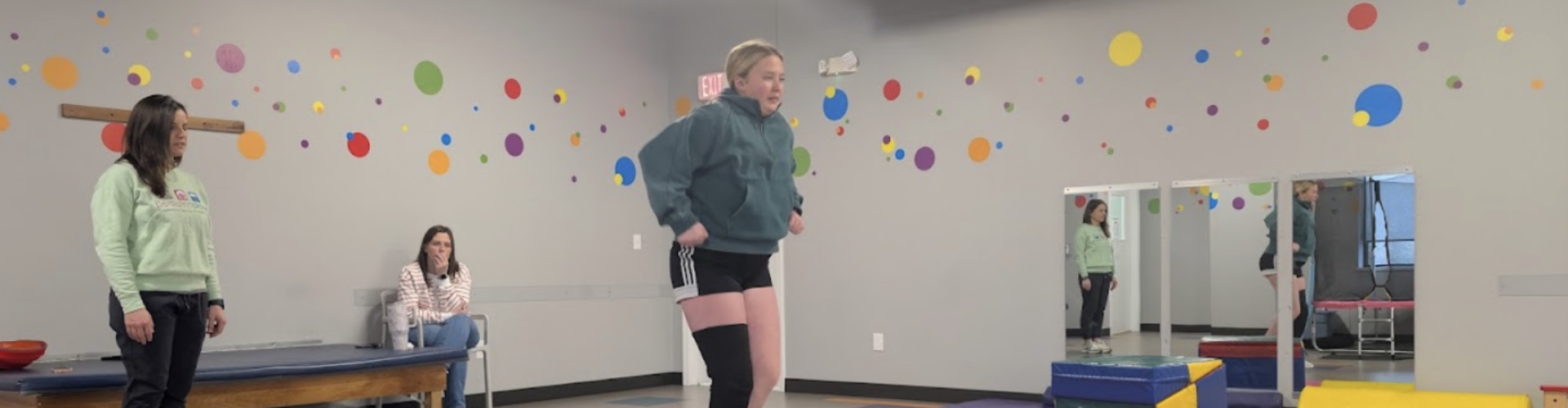
Gross motor skills are an essential part of a child’s growth and development. These skills can help children to engage in physical activities such as sports, running, jumping, and playing with other kids. To ensure that children have the best opportunity to develop these skills, it’s essential to perform comprehensive gross motor evaluations. These evaluations will enable us to develop individualized and specific treatment plans for each child, taking their unique situation into consideration, including adaptive equipment when needed.
By improving range of motion, strength, flexibility, and balance, we assist children in meeting developmental milestones or regaining lost skills after an injury. We work closely with the family and other caregivers to ensure the most complete plan of care is in place for each child. Our goal is always to improve the lives of children by helping them achieve their highest potential in an environment surrounded by caring therapists and caregivers.
Invest in Your Child’s Future with Pediatric Physical Therapy
Request an Appointment Today!
At The Pediatric Place, our dedicated team is committed to helping your child unlock their full potential through specialized pediatric physical therapy. From addressing developmental delays and milestone challenges to rehabilitating injuries and promoting injury prevention, we create a fun and engaging environment where your child can grow, learn, and thrive.
Our personalized assessments, therapeutic exercises, and play-based activities are designed to enhance their motor skills, boost confidence, and support their overall development. Give your child the best opportunity for success and optimal growth by requesting an appointment at The Pediatric Place in Clinton or Knob Noster, MO today. Together, let’s ensure your child lives their best life and is ready to take on anything that comes their way.
FAQs
What Is Pediatric Physical Therapy?
Pediatric physical therapy is a specialized form of physical therapy designed specifically for infants, children, and adolescents. It aims to help young patients improve their physical function and capabilities, addressing issues related to strength, flexibility, coordination, balance, endurance, motor skills, and more.
Pediatric physical therapists are trained to understand and manage unique physiological changes and developmental milestones throughout childhood. They provide services to children with various needs, including those who have:
- Torticollis
- Hypoplastic heart syndrome
- Neonatal Abstinence syndrome
- Musculoskeletal disorders, such as juvenile rheumatoid arthritis, hypotonia (lax muscle tone), and hypertonia (excessive muscle tone)
- Neurological injuries, including nerve damage and brain injuries
- Behavioral disorders and conditions like Autism
- Developmental delays
- Genetic disorders like Down syndrome
- Neuromuscular disorders, such as cerebral palsy, muscular dystrophy, or spina bifida
- Orthopedic disabilities or injuries, like fractures, strains, sprains,or sports injuries
- Cardiopulmonary conditions, like cystic fibrosis
- Conditions that affect balance and coordination
Our PTs use a variety of strategies, techniques, and interventions to help their patients. This can include activities and exercises that feel like play, making therapy sessions fun and engaging for kids. The ultimate goal of pediatric physical therapy is to enable children to participate as fully as possible in their daily routines and activities to promote healthy, independent living.
Lastly, pediatric physical therapists also play a crucial role in educating and supporting families, school staff, and other caregivers on how best to help and support the child’s physical development and well-being.
What does a Pediatric Physical Therapist do?
Pediatric physical therapists focus on improving a child’s gross motor skills, strength, and overall physical function. They work with children who have conditions such as developmental delays, cerebral palsy, spina bifida, muscular dystrophy, and other physical impairments. The primary goals of pediatric physical therapy include:
Enhancing Mobility:
- Helping children improve their ability to move, whether it’s crawling, walking, or running.
Building Strength:
- Strengthening muscles to support better posture, balance, and coordination.
Improving Flexibility:
- Increasing range of motion in joints to make movements smoother and more efficient.
Promoting Independence:
- Teaching children how to perform daily activities and navigate their environments confidently.
What Can I Expect at the First Appointment and Follow Up Pediatric Physical Therapy Sessions?
Physical therapy for children, or pediatric physical therapy, is designed to assist kids in improving their motor skills, strength, balance, coordination, and endurance. This can be especially important for children with developmental delays, physical injuries, or health conditions that affect their mobility.
First Appointment:
- Intake and Evaluation: The first session will typically involve a thorough evaluation. The therapist will review your child’s medical history and any relevant paperwork, such as medical reports or assessments from other professionals.
- Discussion with Parents/Caregivers: The therapist will want to understand your concerns and goals for your child’s physical development. This is an opportunity to discuss any difficulties your child has been experiencing in relation to their movement or physical activities.
- Physical Assessment: The therapist will observe and assess your child’s mobility and motor skills. This could involve looking at their sitting, rolling, crawling, walking, and other physical activities.
- Creating a Plan: Based on this assessment, the physical therapist will formulate a treatment plan that addresses your child’s needs and aligns with the goals you and the therapist have discussed. This plan may be adjusted and updated as therapy progresses and your child’s needs and abilities change.
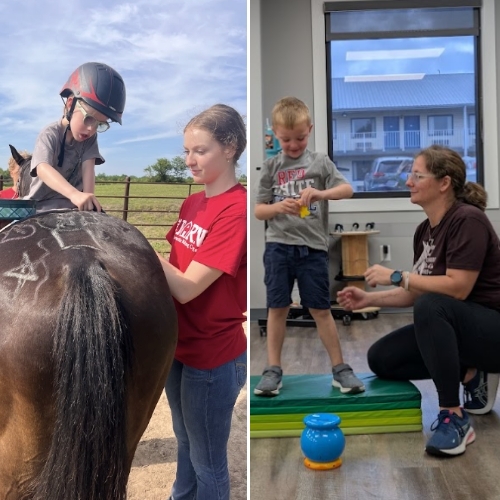
Pediatric physical therapy sessions will vary depending on the child’s age, developmental level, and specific needs. Our therapists use a variety of exercises and activities to improve your child’s motor skills, flexibility, balance, and strength. This could include age-appropriate games, activities, or toys. The aim is to make therapy fun and engaging for your child.
Part of the therapist’s role is to educate you and your child about the therapy process and how to safely and effectively perform certain exercises or tasks at home. They may also suggest modifications to your child’s environment to support their physical development better.
The therapist will regularly assess your child’s progress toward the therapy goals. Depending on how your child responds to therapy, they will adjust the treatment plan as necessary. Remember, every child is unique, and their treatment plan will be individualized to fit their specific needs best. Be sure to communicate regularly with the therapist about any questions or concerns you have
Your Next Steps…
Request An Appointment
Meet Our Multidisciplinary Team
Receive a Seamless Treatment Plan
Start to See Success and Growth!