

Improving Fine Motor Development in Children
How often do you use your hands? All of those small movements are collectively known as fine motor skills. They allow us to write, draw, pick up utensils, and so much more. It should come as no surprise that fine motor development is crucial in helping a child live a full, healthy life.
Sometimes, though, a child will show delays in their fine motor development. The good news is that the pediatric occupational therapists at The Pediatric Place can help your child improve their fine motor skills through personalized, whole-person treatment plans.
Treating fine motor delays is really important because these skills affect many areas of a child’s life, like how they do in school, how they take care of themselves, how they play with others, and how they learn and grow. Getting help early can make a big difference, allowing children to improve these skills, become more independent, and feel more confident, which can help prevent problems later on with their self-esteem and success in school.
Call our Clinton or Knob Noster, MO clinic today to learn more!
Understanding Fine Motor Development Delays
As your child grows, they learn how to interact with the world around them. One way they do this is through fine motor skills–picking up objects, moving them from hand to hand, and so on. Experts have identified key developmental milestones that help you know if your child is progressing as expected.
When a child misses one of those fine motor milestones, it’s important to schedule a visit with our pediatric occupational therapist. We can help you understand the underlying cause of your child’s delay, which can include the following:
- Delayed muscle development or gross motor skills
- Developmental or cognitive delays, such as autism
- Conditions such as Down’s syndrome, muscular dystrophy, or cerebral palsy
More importantly, however, we can help your child improve their fine motor development through fun, personalized activities, and other treatments.
How The Pediatric Place Can Help with Fine Motor Skill Development
Working on fine motor skills can be both effective and enjoyable for children when therapy incorporates fun and engaging activities. Our pediatric occupational therapists are creative when it comes to developing activities to target fine motor skills. Occupational therapy may involve the following activities:
Arts and Crafts
- Playdough and Clay: Activities like rolling, squishing, and molding playdough or clay help strengthen hand muscles and improve dexterity.
- Sticker Books: Peeling and placing stickers can enhance pincer grasp and hand-eye coordination.
- Painting and Drawing: Using brushes, crayons, and markers to create art projects promotes grip strength and hand control.
Building and Construction
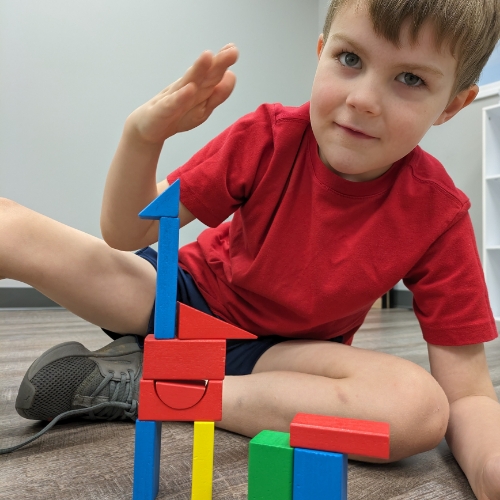
- Building Blocks: Stacking and constructing with blocks, Lego, or other building toys help with precision and hand-eye coordination.
- Magnetic Tiles: Assembling magnetic tiles or other construction sets promotes fine motor coordination and spatial awareness.
Fine Motor Games
- Puzzles: Completing jigsaw puzzles involves picking up, placing, and fitting pieces, which improves hand-eye coordination and problem-solving skills.
- Board Games: Games that require moving pieces, like Operation or Connect Four, help with hand control and dexterity.
Sensory Bins
- Sensory Play: Creating bins filled with materials like rice, beans, or sand allows kids to dig, scoop, and pour, enhancing tactile sensory experiences and fine motor skills.
- Water Play: Using cups, droppers, and small containers to pour and transfer water helps with hand strength and coordination.
Daily Living Activities
- Cooking Activities: Stirring, pouring, and using utensils during cooking or baking provide practice with fine motor skills and hand strength.
- Buttoning and Zipping: Practicing buttoning shirts or zipping jackets can be turned into a fun challenge or game.
Manipulative Toys
- Bead Stringing: Threading beads onto strings helps with hand-eye coordination and fine motor precision.
- Pinching and Squeezing Toys: Using toys that require pinching or squeezing, like squishy balls or tweezers, helps strengthen hand muscles and improve control.
Interactive Technology
- Tablet Apps: Educational apps that involve drawing, tracing, or manipulating objects can support fine motor skill development in a fun and engaging way.
- Touchscreen Games: Games that involve dragging, tapping, or sorting on a touchscreen help with hand coordination and precision.
Outdoor Activities
- Sandbox Play: Digging, scooping, and building in a sandbox improve fine motor skills and hand strength.
- Sidewalk Chalk: Drawing and writing with sidewalk chalk helps with grip strength and coordination.
Music and Movement
- Instrument Play: Playing instruments like drums, xylophones, or tambourines helps develop hand coordination and motor planning.
- Rhythm Activities: Clapping, tapping, and dancing to music enhance timing, coordination, and motor skills.
Crafting with Everyday Items
- Lacing Cards: Using laces or strings to thread through holes in cards or shapes helps improve fine motor precision.
- Button Sorting: Sorting buttons by size, color, or shape enhances fine motor control and categorization skills.
Fine Motor Challenges
- Obstacle Courses: Setting up simple obstacle courses that involve tasks like picking up small objects, placing them in containers, or threading them through holes can make practicing fine motor skills fun and dynamic.
- Treasure Hunts: Hiding small objects for children to find and manipulate promotes fine motor skills through exploration and problem-solving.
How Occupational Therapy Aids in Fine Motor Development
Our primary focus in fine motor treatment is to help improve the strength and dexterity of your child’s hands and fingers. We’ll begin with a comprehensive evaluation to help us understand your child’s needs. Next, we’ll build a rapport with your child to begin creating a personalized treatment plan.
Children learn through play, and this is especially true when it comes to fine motor skills. Using your child’s unique interests, we’ll facilitate structured playtime incorporating the specific skills they need to work on.
Many classic childhood activities improve fine motor skills, including finger painting, building blocks, or putting together puzzles. It’s just a matter of matching the right ones to your child!
Ready to get started? Schedule an appointment at The Pediatric Place today!
Your Next Steps…
Request An Appointment
Meet Our Multidisciplinary Team
Receive a Seamless Treatment Plan
Start to See Success and Growth!