
what is dyslexia?
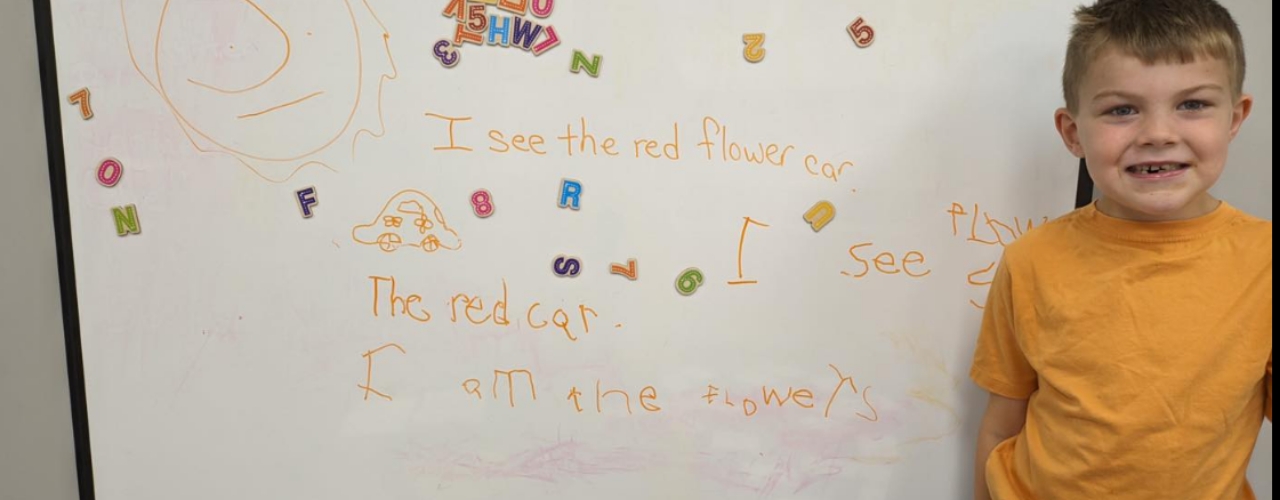
Dyslexia is a specific learning disability that primarily affects a person’s ability to read, spell, write, and sometimes speak. It is neurological in origin and often runs in families. Dyslexia is not related to intelligence. Children with dyslexia can be highly intelligent but may struggle with the mechanics of reading and writing.
At The Pediatric Place, our dyslexia team consists of evaluations performed by our highly trained occupational therapists and speech-language pathologists. Both play a vital role in helping individuals with dyslexia. Where speech therapists address phonological processing, spelling, and decoding words, all components impacting reading fluency, comprehension, and written expression, occupational therapists target fine motor skills development, handwriting, visual perceptual skills, increased focus, visual-motor integration, sensory processing and sensory regulation.
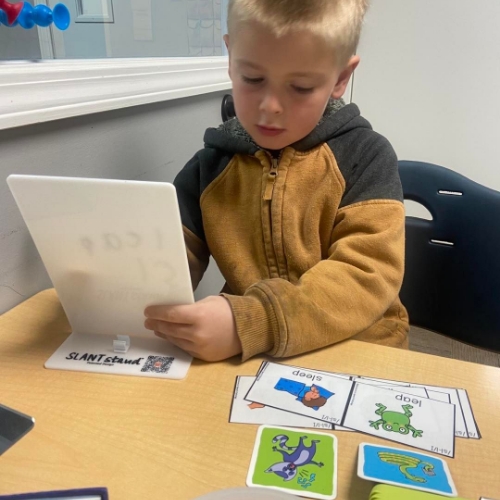
How Speech-Language Therapists Help with Dyslexia:
Phonological Awareness Training
Phonological Awareness Training:
Speech therapists (STs) work on improving phonological awareness, which is the ability to recognize and manipulate sounds in spoken language. This includes skills such as rhyming, segmenting words into syllables, and identifying individual sounds (phonemes) within words. Activities may include sound matching, blending sounds to make words, or segmenting words into individual sounds.
Phonemic Awareness and Phonics Instruction
Phonemic Awareness and Phonics Instruction:
Phonemic awareness is a critical skill for decoding words, and phonics instruction helps individuals understand the relationship between letters and sounds. STs might use games, drills, and exercises that emphasize sound-letter correspondence, word decoding, and encoding (spelling).
Language Processing and Comprehension
Language Processing and Comprehension:
STs help improve language comprehension and the ability to process and understand spoken and written language. Interventions may include vocabulary building, syntax (sentence structure) training, and strategies for understanding complex language structures.
Fluency Training
Fluency Training:
To improve reading fluency, speech therapists work on the speed, accuracy, and expression of reading. Guided oral reading practices, repeated reading of texts, and using rhythm and intonation exercises.
Written Language Support
Written Language Support:
Dyslexia often affects spelling, grammar, and writing organization. STs assist with spelling strategies, organizing thoughts for writing, and improving sentence and paragraph structure.
Multi-Sensory Learning Approaches
Multi-Sensory Learning Approaches:
Many STs use multi-sensory techniques, which involve using multiple senses (sight, sound, touch) to reinforce learning. Programs like Orton-Gillingham or Lindamood-Bell, which incorporate visual, auditory, and kinesthetic-tactile cues to help with reading and writing skills.
Social and Emotional Support
Social and Emotional Support:
Dyslexia can impact self-esteem and confidence, particularly in academic settings. STs work with mental health therapists to provide strategies for coping with frustration, building self-advocacy skills, and fostering a positive self-image related to learning abilities.
How Occupational Therapists Help with Dyslexia:
Fine Motor Skills Development
Fine Motor Skills Development:
Dyslexia often co-occurs with difficulties in fine motor skills, which can affect handwriting and other tasks requiring precise movements. Occupational therapists (OTs) work on improving hand strength, dexterity, and coordination through activities like cutting with scissors, using tweezers, or engaging in arts and crafts. They may also teach proper pencil grip and posture to enhance handwriting.
Handwriting Support (Dysgraphia)
Handwriting Support (Dysgraphia):
Many children with dyslexia struggle with dysgraphia, a specific difficulty with writing. OTs help improve handwriting legibility, speed, and endurance. OTs might use specialized handwriting programs, such as Handwriting Without Tears, to teach letter formation, spacing, and alignment. They also focus on building the visual-motor integration skills needed for writing.
Visual Perceptual Skills
Visual Perceptual Skills:
Visual perceptual skills, such as visual discrimination (noticing differences in shapes, letters, and words), visual memory, and visual sequencing, are often areas of concern for children with dyslexia. OTs use activities and exercises that strengthen these skills, such as puzzles, pattern recognition tasks, and matching games, to help children better process visual information.
Sensory Processing and Regulation
Sensory Processing and Regulation:
Children with dyslexia may experience sensory processing challenges that affect their focus and ability to stay on task. OTs help children manage sensory sensitivities and improve self-regulation. Sensory integration therapy involves activities that help children organize sensory input, such as swinging, deep pressure, or tactile play. OTs may also develop sensory diets—personalized activity plans that help children remain calm and focused throughout the day.
Executive Functioning Skills
Executive Functioning Skills:
Dyslexia often impacts executive functioning skills, such as organization, planning, time management, and task initiation. OTs help develop these cognitive skills to support academic success. OTs teach strategies for organizing materials, breaking tasks into smaller steps, using checklists, and setting up routines to improve efficiency and reduce frustration.
Adaptive Strategies and Tools
Adaptive Strategies and Tools:
OTs introduce adaptive tools and strategies to help children compensate for difficulties associated with dyslexia. This might include using assistive technology like speech-to-text software, keyboarding skills for written assignments, or ergonomic tools to reduce physical strain during writing tasks.
Self-Esteem and Confidence Building
Self-Esteem and Confidence Building:
Children with dyslexia often struggle with self-esteem due to academic challenges. OTs may work alongside mental health therapists to build confidence and a positive self-image in the eyes of the child. Through success-oriented activities, goal setting, and positive reinforcement, OTs help children experience success in tasks that were previously challenging, fostering a sense of accomplishment.
At The Pediatric Place, community collaboration is key to a child’s success, especially with parents and educators. OTs and STs may collaborate with teachers, parents and other professionals to ensure a cohesive approach to treating the child’s dyslexia.
Your Next Steps…
Request An Appointment
Meet Our Multidisciplinary Team
Receive a Seamless Treatment Plan
Start to See Success and Growth!